
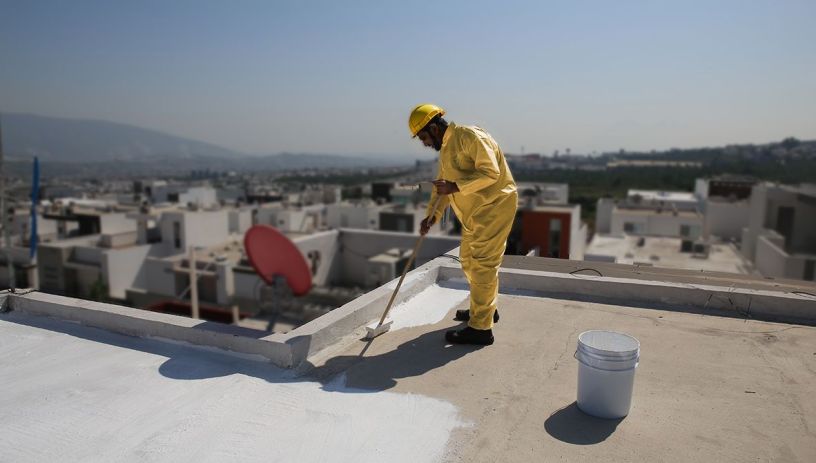
Proof-Tech Waterproofing and Maintenance for facade inspection work occupies a specific and important position in Singapore’s building maintenance landscape. The Periodic Facade Inspection (PFI) regime, established by the Building and Construction Authority, requires building owners to have their external facades inspected at defined intervals by qualified professionals. This inspection requirement is not bureaucratic box-ticking. It exists because facade failures are a genuine safety risk to occupants, pedestrians, and the properties below.
What Periodic Facade Inspection Involves
Singapore’s PFI framework requires buildings above a certain height to undergo facade inspections at intervals that depend on the building’s age and the findings of previous inspections. The inspection is conducted by a Qualified Person (QP), a professional engineer or architect registered with the relevant professional board – who assesses the external facade for defects that could pose a safety risk.
The scope of a facade inspection covers:
- External wall cladding and finishes – including tiles, render, stone cladding, and architectural elements attached to the building’s exterior
- Window frames and glazing systems – checking for deterioration of frames, failed sealant, loose fixings, and any evidence of water penetration around glazed areas
- Architectural features and projections – sun shades, fins, cornices, and other elements that project from the facade and are subject to specific loading and weathering conditions
- Waterproofing and sealant condition – assessing the condition of expansion joint sealant, window perimeter seals, and any applied waterproofing treatment on the facade surface
- Evidence of water ingress – staining, efflorescence, mould growth, and active dampness that indicate water has penetrated the facade envelope
The inspection findings are documented in a report that identifies any defects, classifies their severity, and recommends remediation actions and timelines.
Why Facade Inspection and Waterproofing Are Connected
The link between Proof-Tech’s facade inspection services and their waterproofing expertise is not coincidental. The most common defects identified during facade inspections in Singapore are related to water: failed sealant that allows wind-driven rain to penetrate, degraded waterproofing at parapet and window junctions, and cracked render that has allowed moisture to work behind the cladding over time.
A building maintenance firm that combines facade inspection capability with practical waterproofing expertise is better placed to manage the complete cycle from inspection through remediation than a firm that offers only one or the other. The inspecting team understands the waterproofing implications of what they find. The remediation team understands the inspection standards they need to meet.
As former BCA Chief Executive John Keung has noted, “The safety of Singapore’s built environment depends on the competency of every professional involved in its inspection and maintenance.” A firm that bridges the inspection and maintenance gap embodies that standard in practice.
The Remediation Cycle
Following a facade inspection, defects identified are prioritised by severity. Safety-critical defects, such as loose cladding elements or severely compromised structural fixings, require immediate action. Other defects may be addressed on a defined schedule aligned with the building’s maintenance programme.
Proof-Tech Waterproofing and Maintenance’s facade remediation services cover the full range of defects typically identified in Singapore’s building stock.
Common remediation works include:
- Sealant replacement – removal of failed sealant at expansion joints, window perimeters, and curtain wall interfaces, and installation of new sealant appropriate to the substrate and movement requirements
- Render repair – removal of delaminated or cracked external render, treatment of the underlying substrate, and application of new render to match the existing finish
- Tile reattachment and replacement – re-bonding of delaminated tiles and replacement of failed units with matching materials
- Applied waterproofing – treatment of porous or defective facade surfaces with appropriate coatings or membranes to restore weather resistance
- Structural fixing inspection and repair – assessment of the fixings supporting facade cladding elements and replacement or supplementary anchoring where load capacity is in doubt
Accessing PFI Services
Building owners and managing agents required to comply with the PFI regime should begin the process at least several months before the inspection due date. Engaging a qualified firm early allows the inspection to be scheduled at a time that suits the building’s operations and provides adequate lead time for any necessary access arrangements, such as gondola deployment or rope access scheduling.
A Single Point of Accountability
The value of working with Proof-Tech for both facade inspection and subsequent waterproofing remediation is the single point of accountability it provides. The firm that identified the defect is the same firm responsible for confirming the remediation is adequate. This removes the scope disputes that can arise when inspection and remediation are handled by separate parties.
For building owners navigating the PFI process in Singapore, Proof-Tech Waterproofing and Maintenance for facade inspection work offers the combination of QP oversight, technical expertise, and remediation capability that the process requires.

