
Remote work stuck. Pew puts full-time homeworkers at around 22 million in the US. Numbers keep climbing into 2026. Office habits fall apart when no one shares a room. HR rebuilds from scratch.
You lose the glance across the floor. No quick read on who is stuck or who is flying. Tracking output and energy from separate locations becomes the core work.
Using monitoring tools without crossing lines
Distance muddies the productivity picture. Monitoring software opens a window. It logs hours, apps, and output patterns. Visibility is the point.
But how to know if remote employees are working without the tool feeling like a camera over the shoulder? Controlio software tracks time and activity logs. Managers catch bottlenecks. They notice who is delivering. Roll it out in daylight. Say it supports accountability. Leave the spy talk at the door.
Reddit threads on monitoring swing hard both ways. One source collects straight comments from people living with these systems daily.
Clear communication channels
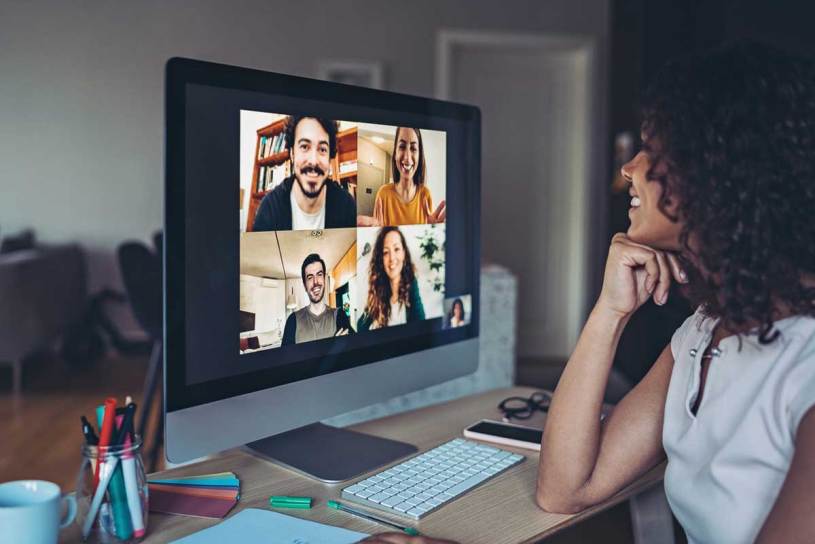
Casual talk vanishes. You need solid pipes. Video calls cover the longer check-ins and idea sessions. Chat tools catch the two-minute questions that once happened by the kettle.
Keep asking for input. People speak up more when the path is easy. Isolation shrinks. Ideas keep moving.
Precise goals and expectations
Fuzzy targets let work drift. Write measurable objectives. Mark what success looks like. Each person needs to see how their piece lands in the bigger result.
Deadlines and checkpoints give shape. Spell out roles so work does not collide. Visible expectations pull remote groups in the same direction.
Building accountability
No boss walking past means ownership starts with the person. Push self-logging of hours and progress. Call out good results in front of the group. Habits stick that way.
Give direct notes when something slips. Offer help when it is needed. Trust plus guidance grows real ownership.
Keeping collaboration alive
Isolation drains people. Short online games, quizzes, or virtual coffee slots rebuild some of the social glue offices once supplied for free.
Encourage work across functions. Different angles produce stronger answers. Informal online space keeps relationships from fraying.
Looking after well-being
The laptop on the kitchen table blurs the day fast. Burnout follows. Flexible schedules and real time-off policies show that balance counts.
Mental health resources let people handle pressure before it piles up. Healthier staff stay present longer and deliver steadier work.
Training that fits remote reality
Skills fade. Remote people need regular learning slots. Design sessions that work across zones and locations. Stick to skills they can use the next day.
A steady learning habit keeps the group sharp when the industry moves. Both the person and the company gain.
Data security and compliance
Home networks carry company data. Strong access rules and encryption protect it. Stick to the protection laws. Trust grows with employees and clients.
Teach basic security habits. Most problems start with small mistakes. Training closes them.
Leadership and mentorship
Managers need extra tools for remote groups. Focus training on clear talk, handling friction, and supporting from a distance.
Pair veterans with newer staff. Knowledge transfers. New people settle quicker. Steady leadership sets the tone for the whole setup.
Final words
Remote HR work runs on clear visibility, plain expectations, and real support. Controlio software supplies the numbers. Communication and culture handle the rest.
Build systems that give people room while still keeping work moving. Teams that land this stay productive even when nobody shares an office.

